Pagan Sabbats & Norse Holidays: The Complete Wheel of the Year Guide
Picture a long winter night in the North: pine trees dark against the snow, a fire inside the hall, the last harvest safely stored and stories passed around the table. The rhythm of the seasons shaped how people worked, gathered, remembered and hoped. Long before a modern calendar told us when to celebrate, the changing land made its own announcements.
People searching for pagan Sabbats, Norse Sabbats, Norse pagan holidays and the Wheel of the Year often encounter the same eight festivals. Yet there is an important story behind those familiar names. The eight-Sabbat Wheel of the Year is a modern Pagan calendar; historical Norse communities celebrated seasonal feasts of their own. Both deserve to be understood rather than blended into a mythical past.
This guide explores the eight Pagan Sabbats, their usual dates, meanings and simple seasonal traditions, then looks at what medieval sources actually tell us about Old Norse celebrations such as Jól, Winter Nights and Sigrblót. Whether you're starting a Book of Shadows, exploring Heathenry or simply drawn to the old northern stories, there is something powerful in learning to notice the year again.
In This Guide
- Are the eight Sabbats really Norse?
- The Wheel of the Year calendar and dates
- Meaning and traditions of all eight Sabbats
- Historical Norse pagan holidays
- How to celebrate the seasons today
- Frequently asked questions
Are the Eight Pagan Sabbats Historically Norse?
Not as a single eight-festival calendar. The Wheel of the Year familiar to modern Wiccans, witches and many Pagans brings together four solar turning points—the two solstices and two equinoxes—with four cross-quarter festivals traditionally linked especially to Gaelic seasonal celebrations. The eight-festival framework became established in modern Pagan religious movements in the twentieth century.
It would be misleading to claim Vikings celebrated all eight under the same names. Samhain, Imbolc, Beltane and Lughnasadh have roots in Irish and broader Gaelic tradition. Ostara and Mabon, as commonly used in today's Wheel of the Year, reflect modern naming and interpretation; they are not names of a securely documented Viking-age eight-Sabbat cycle. Jól (Yule), however, really is an Old Norse festival name, although its timing and rites cannot be assumed to match every present-day solstice custom.
Some contemporary Heathens or Ásatrú practitioners follow reconstructed Norse feasts, some honor solstices and equinoxes, and others use a personally adapted Wheel of the Year. Knowing the difference between historical evidence and living modern practice gives each tradition its proper place.
The Wheel of the Year: Eight Pagan Sabbats and Their Dates

| Sabbat | Usual Northern Hemisphere date | Seasonal meaning |
|---|---|---|
| Yule | December 20–23 | Winter solstice; the return of light |
| Imbolc | February 1–2 | Renewal; first signs of spring |
| Ostara | March 19–22 | Spring equinox; beginnings and growth |
| Beltane | April 30–May 1 | Vitality, warmth and the coming summer |
| Litha | June 20–22 | Summer solstice; long daylight |
| Lughnasadh / Lammas | August 1 | First harvest, work and gratitude |
| Mabon | September 21–24 | Autumn equinox; balance and harvest |
| Samhain | October 31–November 1 | Remembrance and winter's approach |
Note: The exact dates of solstices and equinoxes vary by year and time zone. Southern Hemisphere practitioners commonly shift their seasonal observances by roughly six months.
The Eight Pagan Sabbats: Meaning, Traditions and Ways to Celebrate
1. Yule — Winter Solstice, Warmth and the Returning Sun
The longest nights of the year invite us inward. The trees stand bare, the earth rests and even a small flame feels extraordinary. Modern Yule celebrations honor endurance, family, hospitality and the slow return of daylight. Evergreen branches, candlelight, feasting and the giving of gifts can all become part of a meaningful contemporary celebration.
Yule also has a genuine Norse connection: the Old Norse name Jól appears in medieval sources describing winter feasting and communal observances. Its historical schedule, however, was not necessarily identical to the modern winter solstice.
A seasonal practice: At dusk, write down one thing you survived, one thing you learned and one hope you want to carry into the growing light. Share a warm meal and read the memories aloud if you wish.
Explore the season: Yule Sabbat printable grimoire · Mjölnir Thor's Hammer necklace.
2. Imbolc — The First Promise of Spring
Imbolc belongs to Irish seasonal tradition and is closely associated with Brigid. On the modern Wheel of the Year, it is the subtle moment when winter has not ended but spring has begun to whisper. Think of candlelight, a clean hearth and the first new shoots beneath the soil.
A seasonal practice: Clear one small corner of your home, light a candle safely and plant seeds indoors. Choose a goal you can nurture patiently rather than rush into bloom.
For your journal: Imbolc Book of Shadows printable pages.
3. Ostara — Spring Equinox and New Beginnings
At the spring equinox, light and darkness are close to equal. For modern Pagans, Ostara is a celebration of awakening, growth and possibility. Eggs, seeds, fresh greenery and walks in nature are common contemporary symbols. The name is connected with modern interpretations of Eostre/Ostara, but there is no reliable evidence for an identical, universally celebrated Viking-age Ostara festival.
A seasonal practice: Step outdoors and notice three signs of new life. Begin a project that has been waiting through winter, or write down what you want to grow over the next three months.
Explore the season: Ostara spring equinox grimoire · Yggdrasil Tree of Life necklace, a modern symbol of connection and renewal.
4. Beltane — Fire, Vitality and the Coming Summer
Beltane is rooted in Gaelic May Day traditions. On the contemporary Wheel of the Year, it celebrates the countryside waking into full life: green branches, flowers, warmth, creative energy and community. Fire customs belong to its Gaelic history, but that does not turn Beltane into a documented Old Norse festival.
A seasonal practice: Prepare a flower-filled table, invite friends to a simple meal or begin a creative collaboration. Give your energy to something you want to see flourish.
For your Book of Shadows: Beltane Sabbat grimoire.
5. Litha — Summer Solstice and the Longest Day
When the midsummer sun lingers above the northern horizon, it is easy to understand why this season matters so deeply in Scandinavian culture. Modern Litha celebrations welcome abundance, joy and the sun at its greatest height. Nordic midsummer customs are important and diverse, but the name Litha should not be treated as proof of a standardized Viking-age festival on this exact date.
A seasonal practice: Watch the sunrise or sunset, gather seasonal herbs responsibly, enjoy a meal outside and write down what is flourishing in your life. Remember that after the longest day, the light slowly begins to retreat.
Explore the season: Litha Summer Solstice grimoire · Yggdrasil altar box with Elder Futhark rune set.
6. Lughnasadh / Lammas — The First Harvest
Early August asks a different question from spring: what has your effort produced? Lughnasadh is an Irish seasonal festival associated with Lugh; Lammas emerged from a distinct English Christian harvest custom. In modern Pagan practice, the two are often associated with the first harvest, bread, craftsmanship and generosity.
A seasonal practice: Bake bread, cook with local produce or share the results of a project with someone who helped you. Give thanks not only for the harvest but for the work behind it.
For your journal: Lughnasadh / Lammas printable grimoire.
7. Mabon — Autumn Equinox and the Art of Gratitude
The autumn equinox brings another near-balance of day and night. Fields are changing color, evenings turn cooler and the year's work can finally be weighed. Mabon is a modern name for this Sabbat rather than an attested Viking-age feast name. Its contemporary themes are harvest, gratitude, letting go and preparing for winter.
A seasonal practice: Prepare a harvest supper, preserve a family recipe or name three things that are truly enough. Consider what you want to finish before the year grows dark.
Explore the season: Mabon autumn equinox grimoire · Yggdrasil wooden keepsake box.
8. Samhain — Remembrance, Reflection and Winter's Threshold
Samhain comes from Gaelic tradition and marks a seasonal threshold toward winter. It is commonly associated in modern Pagan practice with honoring ancestors, remembering those who have died and accepting the changes that cannot be reversed. Samhain is not simply the Norse name for Winter Nights, Álfablót or Dísablót, even though those observances can inspire comparisons.
A seasonal practice: Set out photographs of loved ones, tell an old family story or write a private letter to someone you miss. Remembrance can be quiet; it does not need spectacle.
Explore the season: Samhain Book of Shadows grimoire · black obsidian Elder Futhark rune stones for a contemporary reflective practice.
Historical Norse Pagan Holidays: What Did the Vikings Celebrate?
If the familiar Wheel of the Year is not a Viking calendar, how did the Norse mark the seasons? Surviving written sources, archaeology and later folk customs reveal fragments of a rich ritual life. The evidence is uneven, regional and sometimes written down centuries after the events it describes, so the most valuable answers include a little humility.
Jól (Yule): Winter Feasts and Shared Obligations
Jól is firmly attested as an Old Norse winter festival. Medieval accounts describe feasting, communal drinking and observances that held groups together through the cold season. The Hákonar saga góða describes changes associated with the timing of Yule and Christmas in Norway. It is a later textual witness, not a modern ritual instruction book.
Vetrnætr (Winter Nights): The Turning of the Northern Year
Vetrnætr means Winter Nights, an important seasonal transition in the old Scandinavian reckoning. Related practices such as Álfablót and Dísablót appear in Norse sources, but their observance cannot be reduced to one universal date or a single ceremony used everywhere. Household, community and ancestral relationships all matter when exploring the evidence.
Sigrblót: The Beginning of Summer and Prayers for Victory
Sigrblót, an offering associated with victory, appears in accounts of observances at the beginning of summer. Its seasonal place reflects the distinctive northern division of the year into summer and winter. Calling it the 'Norse Beltane' may be memorable, but it hides historical differences rather than explaining them.
And what of equinoxes? People living in Scandinavia certainly experienced the sun's seasonal changes, but claims that every modern equinox Sabbat was a documented Viking religious feast go beyond the surviving evidence. Historical accuracy and spiritual creativity can coexist without being confused.
For Norse-inspired seasonal decor, discover the Norse Wheel of the Year wall plaque. This is contemporary symbolic art—not proof of an original Viking-era eight-Sabbat design. The Helm of Awe pendant reflects a powerful design known from later Icelandic magical tradition; its current use should not be described as firmly attested Viking-age jewelry.
How to Celebrate Pagan Sabbats in Everyday Life
You do not need a complicated ritual, a perfect altar or a collection of special objects. The most memorable seasonal celebrations often begin with noticing: the quality of the morning light, the change in the wind, the first frost on a window, the season's first ripe fruit.
- Choose the story you're following. Read about the eight modern Sabbats or study historical Norse observances; if you blend them, be open about doing so.
- Keep your own seasonal record. Write a short entry at each turning point: what changed outdoors, what changed in your life and what you hope to carry forward. Our 130-page Pagan Sabbats Book of Shadows bundle brings all eight seasons together.
- Create a small ritual space. A candle, a meaningful branch and a journal can be enough. A Futhark rune stones set in a Yggdrasil box can become a contemporary focus for reflection; modern rune divination methods should not be confused with a fully documented Viking-era practice.
- Make your celebration generous. Share a feast, send a thoughtful message, create something by hand or care for the landscape around you.
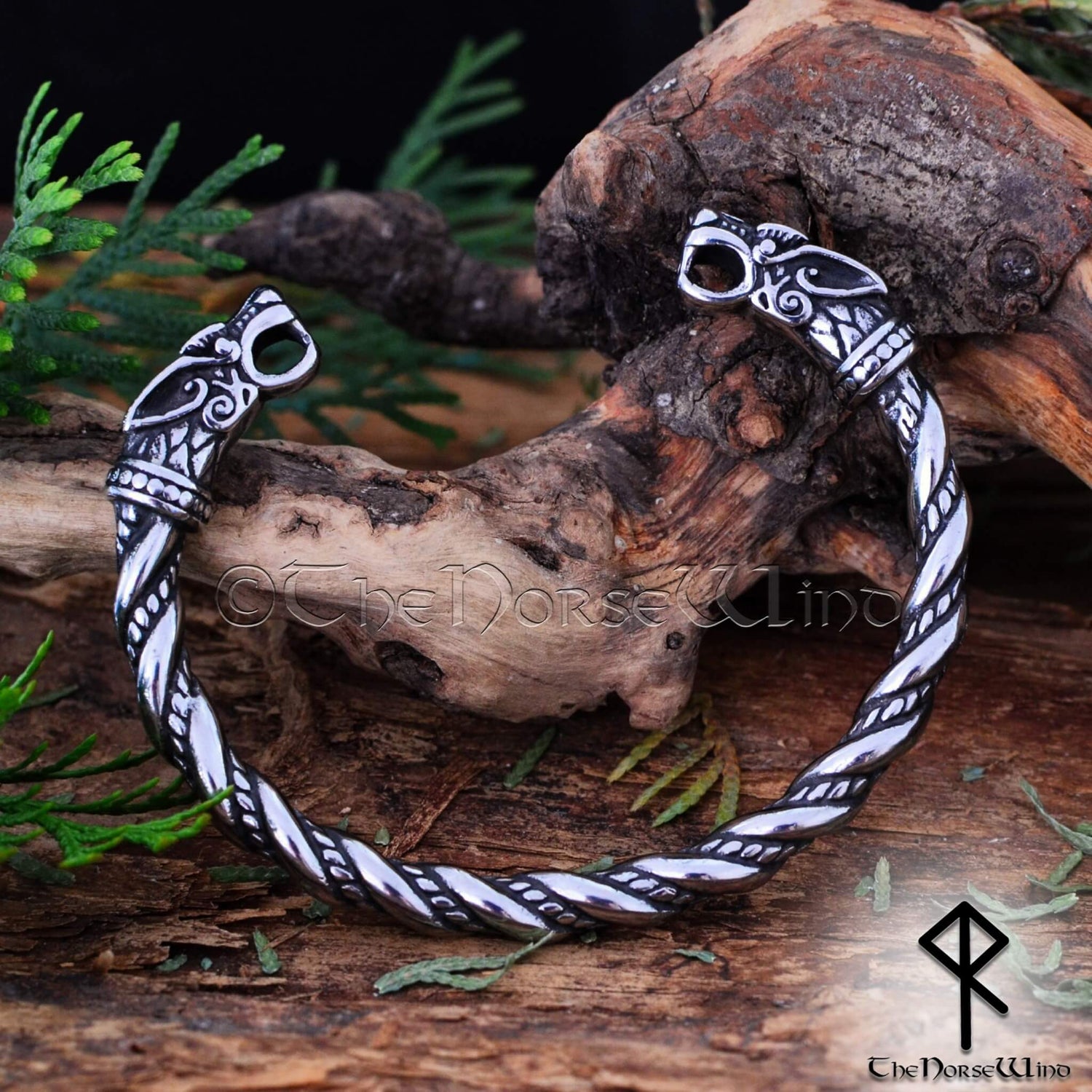
- Wear the symbols that mean something to you. Norse-inspired jewelry such as a Yggdrasil necklace, Mjölnir necklace or Viking arm ring can express a personal connection to resilience, heritage or the stories of the gods.
A thoughtful practice leaves no harm behind: follow local fire rules, never leave offerings that endanger wildlife, and use naturally fallen materials rather than removing protected plants.

Frequently Asked Questions About Pagan and Norse Sabbats
What are the eight Pagan Sabbats in order?
Starting with the winter solstice: Yule, Imbolc, Ostara, Beltane, Litha, Lughnasadh (Lammas), Mabon and Samhain. Some practitioners consider Samhain the beginning of their ritual year instead.
Are Norse Sabbats and Wiccan Sabbats the same?
No. The modern eight-Sabbat Wheel of the Year is used across Wiccan and other contemporary Pagan traditions. Historical Norse religion had different regional calendars and seasonal feasts, including Jól, Vetrnætr and Sigrblót.
Did Vikings celebrate Yule?
Yes. Jól is an attested Old Norse winter festival. Its historical dates and religious customs, however, do not perfectly match every modern winter-solstice Yule practice.
Is Samhain a Norse pagan holiday?
No. Samhain belongs to Gaelic tradition. Historical Norse Winter Nights, Álfablót and Dísablót are distinct observances, even when modern practitioners explore similar themes of remembrance and seasonal change.
What are the four greater and four lesser Sabbats?
In some modern Wiccan traditions, Imbolc, Beltane, Lughnasadh and Samhain are called the four greater Sabbats, while Yule, Ostara, Litha and Mabon are the four lesser Sabbats. Terms and significance differ across communities.
Can a Norse Pagan celebrate the Wheel of the Year?
Some do. Modern Heathen practice is diverse. The important distinction is whether a celebration is personally meaningful today or specifically supported by evidence about Viking-age practice.
What is the best way to begin a Book of Shadows?
Start with a page for each season: write its date, what you notice outdoors, traditions you want to research and rituals you choose for yourself. The Book of Shadows is a modern witchcraft journal format rather than an original Viking-age book.
The Wheel Keeps Turning
Some seasons ask us to begin. Others ask us to gather what we have grown, honor those who came before us or rest long enough to find our strength again. That is the enduring attraction of seasonal celebration: it brings us back into conversation with the world beyond our doors.
Follow the eight Sabbats if they speak to your practice. Explore authentic Norse sources if the old northern feasts call to you. You need not blur their histories to find meaning in either.
Continue your journey with the complete Pagan Sabbats grimoire collection, the Wheel of the Year wall hanging and our Yggdrasil rune and altar set.
For further historical reading: Hákonar saga góða in Heimskringla (a medieval source on Jól); John Lindow, Norse Mythology: A Guide to Gods, Heroes, Rituals, and Beliefs; Rudolf Simek, Dictionary of Northern Mythology. The article deliberately distinguishes the contemporary Pagan Wheel of the Year from the surviving evidence for Old Norse religious observance.